
Gentle Himalayan Treks After 60
By Govind Rai
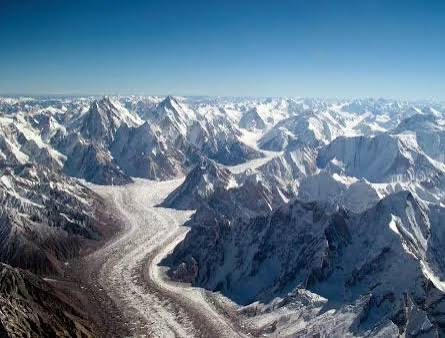
The Himalaya without the hardship
You don't need to climb to Everest Base Camp to wake up facing the Himalaya. Some of Nepal's most beautiful walks stay below 3,300 metres (about 10,800 feet), sleep in family-run lodges and take two to five days.
I grew up in Solukhumbu, the Everest district of Nepal, and I founded Get Lost Forever to help travellers plan Nepal honestly. The question I hear most from readers in their sixties and seventies is simple: is there a trek for me? There is, and here are four of the best.
What makes a trek gentle
A gentle trek isn't flat. Nepal is all hills, and stone steps are part of every route. What matters is how high you sleep, how long you walk each day and how easily you can stop.
About our Guest Blogger:
Govind Rai
Govind Rai was born in Solukhumbu, the Everest district of Nepal. He founded Get Lost Forever to give travellers honest, practical information for planning a trip to Nepal, from trekking rules and permits to culture and festivals. Get Lost Forever works with licensed Nepali guides and ground partners. You can find route guides and planning advice for Nepal's treks at Get Lost Forever.
TO LEARN MORE: Contact: hello@getlostforever.com
These are the things to look for:
- Sleeping altitude under about 3,000 metres (9,800 feet), where the risk of Acute Mountain Sickness (AMS) stays low
- Walking days of 3 to 6 hours, with time to rest at lunch
- Lodges with hot meals and real beds, so you don't carry a tent or stove
- A road nearby, so a jeep can shorten a day or bring you out early
The first three treks below tick every box. The fourth, Poon Hill, has two longer days and is the step up.
Four gentle treks to consider
| Trek | Highest point | Days | Starts from |
| Ghandruk village | about 2,010 m (6,600 ft) | 2 to 3 | Pokhara |
| Dhampus and Australian Camp | about 2,060 m (6,760 ft) | 1 to 2 | Pokhara |
| Kathmandu Valley rim to Nagarkot | about 2,175 m (7,130 ft) | 1 to 3 | Kathmandu |
| Ghorepani and Poon Hill | 3,210 m (10,530 ft) | 3 to 5 | Pokhara |
Ghandruk village. Ghandruk is one of the largest Gurung villages in Nepal, with stone houses, slate roofs and two small cultural museums. A jeep from Pokhara takes 2.5 to 4 hours, then it's a 30-minute to 2-hour walk up stone steps. Annapurna South and Machhapuchhre (Fishtail) fill the view at sunrise.
Dhampus and Australian Camp. This is the shortest Himalayan trek I recommend. You start at Kande, a 45 to 60-minute drive from Pokhara, and climb for 1 to 2 hours to a grassy ridge at about 2,060 metres. On clear mornings you face Annapurna South, Hiunchuli and Machhapuchhre, and our Australian Camp trek guide covers the route down through Dhampus, permits and lodges.
Kathmandu Valley rim to Nagarkot. You don't have to fly anywhere for this one. Nagarkot sits about 30 kilometres from Kathmandu at roughly 2,100 to 2,175 metres. On a clear morning you can see Langtang and Gaurishankar, and sometimes Everest as a tiny point far to the east. The full ridge walk from Chisapani is a long 6 to 7.5-hour day, so many people drive up and take short walks around the village instead.
Ghorepani and Poon Hill. This is the classic first trek in the Annapurna foothills, and the step up. You sleep at Ghorepani, about 2,860 metres, and climb before dawn to the 3,210-metre viewpoint. The climb to Ulleri is often quoted at more than 3,000 stone steps, but you can drive to Ulleri and skip it. Two days run 6 to 7 hours, so build in an extra night.
Altitude and your health
Here's some good news: age by itself doesn't raise your risk of altitude sickness. The high-altitude travel guidance from the US Centers for Disease Control and Prevention (CDC) says people over 50 have slightly less risk than younger travellers. The danger is going up too fast.
- See your doctor before you book, especially if you have a heart or lung condition. The CDC advises these travellers to talk to a doctor who knows high-altitude medicine.
- Above 3,000 metres, raise your sleeping altitude by no more than 500 metres (1,650 feet) a night.
- Walk slowly, drink plenty of water and tell your guide straight away if you get a headache, nausea or feel unusually tired.
- Buy travel insurance that covers trekking to your highest point and helicopter evacuation. Check the altitude limit in the small print.
Guides, porters and the rules
Since April 2023, the Nepal Tourism Board (NTB) has required trekkers to hire a licensed guide, as The Himalayan Times reported. Enforcement varies by area, but a guide is worth having on these routes anyway.
A good guide sets an easy pace, arranges the lodges, explains the villages and knows when to turn back. A porter carries your main bag, so you walk with just a light daypack. That one change makes more difference to your comfort than anything else.
Book through a registered trekking agency and ask for a guide with first-aid training.
When to go and how to prepare
October to November and March to April are the best months. Skies are clearest in autumn, and spring brings rhododendrons in bloom. December to February is cold at night but often clear and quiet. Avoid June to September, when the monsoon hides the mountains and makes trails slippery.
- Start walking hills or stairs at home two to three months ahead.
- Pack trekking poles. They take strain off your knees on the stone steps going down.
- Add a spare day to any plan, for weather, rest or simply staying longer somewhere you love.
- Walk at your own pace. Nobody is racing you.
If you enjoyed reading about walking the Camino here on Ageless Traveler, the Himalayan foothills offer the same slow rhythm, just with bigger mountains.